

January 26, 2023 Updated on October 06, 2026
How to prepare for egg freezing and IVF: 5 research-informed ways to support egg quality

More people than ever are choosing to wait before starting a family, whether that is for career, travel, a relationship that is still unfolding, their health, or simply because the timing does not feel right yet. For many, that choice includes freezing their eggs or pursuing IVF. If you are wondering how to prepare for egg freezing or an upcoming IVF cycle, we support you, and we want you to walk in feeling informed and cared for.
It is worth considering your nutrition and lifestyle at least 3 to 6 months before egg freezing or IVF. Just as you would prepare your body for pregnancy, you can proactively support egg health at any age, knowing that every step you take is about support rather than perfection.
To prepare for egg freezing or IVF, focus on the roughly three months before your retrieval, when eggs are in the final stretch of their development. Research suggests a Mediterranean-style diet rich in omega-3s and antioxidants, good oral health, mitochondrial nutrients like CoQ10, fewer hormone-disrupting chemicals, and steady sleep and stress support may all be part of the picture. Your age and the number of mature eggs frozen remain the biggest factors in egg freezing outcomes, so these steps work best alongside personalized guidance from your fertility clinic.
Key takeaways
- The final phase of egg development before ovulation takes about three months, which is why a 3 to 6 month runway before retrieval is a helpful planning window.
- Nutrition cannot change your age or guarantee the number of eggs retrieved. Its role is to support the environment your eggs mature in.
- A Mediterranean-style eating pattern and higher omega-3 levels have been associated with more favorable IVF outcomes in observational studies, though findings are mixed.
- Antioxidants like CoQ10 have promising but still limited research in IVF settings, so they may be one helpful part of a larger plan.
- Stress support matters for how you feel, and research is reassuring that everyday stress does not doom a cycle.
- Always share your full supplement list with your fertility clinic before and during stimulation.
Why does egg quality matter for egg freezing and IVF?
Egg quality plays an important role in both egg freezing and IVF, because a healthy, mature egg is the starting point for fertilization and embryo development. In my clinical experience, the months before a retrieval are one of the most meaningful windows to care for your overall health, and many women tell me they walk into their cycle feeling more prepared and more in control. While nutrition cannot change the number of eggs you were born with, research suggests the environment eggs mature in may be influenced by nutrition and lifestyle.
What is egg quality?
Egg quality describes how healthy an egg is, including whether it has the right number of chromosomes and enough cellular energy to mature, be fertilized, and develop into an embryo. It is different from ovarian reserve, which refers to how many eggs you have. You can read more about that distinction in our guide to egg quality vs ovarian reserve.
What can preparation change, and what can it not?
It helps to hold two truths at once. Large studies of egg freezing consistently show that your age at freezing and the number of mature eggs frozen are the strongest predictors of a future live birth. There is also real reason for hope: a 2026 study of planned egg freezing found that about 70% of the women who returned to use their eggs went on to an ongoing pregnancy or live birth, with higher rates when more mature eggs were warmed.
Nutrition and lifestyle are not about controlling those numbers. They are about giving your body steady, nourishing support during a demanding process, which is something you can do starting today.
A story from our community
Karli, a member of our WeNatal community, shared her IVF journey with us:
"I started taking WeNatal for Her about a year before my egg retrieval, and my husband began WeNatal for Him around 9 months prior. Alongside WeNatal, I took ubiquinol and fish oil, and although I've always eaten pretty clean, I made a few intentional changes like upping my protein and healthy fats and reducing alcohol. [...] I loved using the recipes from the WeNatal meal guide and online posts as they were such a helpful (and delicious) part of my routine. My workouts stayed low-impact with regular yoga, Pilates, and barre, which kept me feeling grounded and strong. We were beyond excited to share that 13 out of 13 eggs fertilized, all made it to blastocysts, and we recently found out while on vacation that 10 of the 13 came back genetically normal. I'm so grateful for this journey!"
Karli's experience is her own. IVF and egg freezing results vary widely from person to person and depend on many factors, including age and the number of eggs retrieved.
How to prepare for egg freezing: how long before should you start?
Ideally, start preparing for egg freezing or IVF about 3 to 6 months before your retrieval. Research on how eggs develop shows that the final growth phase, as a follicle moves toward ovulation, takes roughly three months. The nutrients and habits you build during that stretch are part of the environment your eggs mature in.
If your retrieval is only a few weeks away, please do not feel discouraged. Small, consistent steps still support your overall health, and it is never too late to start nourishing your body.
A simple egg freezing preparation timeline
- 3 to 6 months before retrieval: Shift toward a Mediterranean-style way of eating, schedule a dental cleaning, and begin swapping a few plastics and personal care products.
- About 90 days before retrieval: This is a natural time to start or continue a comprehensive prenatal like WeNatal for Her, and to talk with your clinic about adding targeted antioxidant support such as Egg Quality+.
- During stimulation: Bring your full supplement list to your clinic, protect your sleep, and lean on gentle movement and stress support.
- Retrieval week: Follow your clinic's instructions closely, stay hydrated, and give yourself permission to rest.
5 research-informed ways to prepare your body for egg freezing or IVF
1. Follow a Mediterranean diet to support fertility
Nutrition is a cornerstone of egg health. Research continues to support the Mediterranean diet for its role in reproductive health and a healthy inflammatory response, and it is one of the most studied eating patterns in IVF.
This diet is rich in:
- Antioxidants (vitamins C and E)
- B vitamins (folate, B6, B12)
- Omega-3 fatty acids (especially DHA)
In one IVF cohort, women under 35 with the highest adherence to a Mediterranean diet had higher rates of clinical pregnancy and live birth, though the association was not seen in women 35 and older. A 2025 systematic review found that half of the included studies showed favorable associations while others were mixed. Women with higher blood levels of omega-3 fatty acids also had a higher probability of live birth in a smaller IVF study.
One helpful nuance comes from the EARTH study at Massachusetts General Hospital. A "profertility" eating pattern that included supplemental folate, vitamin B12, and vitamin D, low-pesticide produce, whole grains, dairy, soy, and seafood was associated with higher live birth rates after IVF, even though it was not linked to the number of eggs retrieved. In other words, a Mediterranean foundation plus targeted nutrients may be the most practical approach.
What to focus on:
- Colorful vegetables and fruits
- Leafy greens rich in natural folate
- Extra virgin olive oil, avocado, nuts, and seeds
- Wild, low-mercury seafood like salmon, sardines, and anchovies
- Beans, lentils, and whole grains for steady energy and fiber
In practice, I find that when patients commit to a Mediterranean-style pattern for 3 to 6 months before egg retrieval, they often feel more energized and more grounded going into their cycle.
2. Don't ignore oral health
It may be surprising, but your gums are part of your fertility story. Nearly half of US adults over 30 have some degree of periodontal disease, which is associated with higher levels of whole-body inflammation.
In one large study of pregnant women, gum disease was associated with a longer time to conception, although the link was not consistent across every group studied. Research on the oral microbiome and fertility is still emerging, and caring for your mouth is a simple, low-risk step with whole-body benefits.
Key steps:
- Floss daily
- Use a water flosser or tongue scraper
- See a biologic or functional dentist for a cleaning and check-up a few months before retrieval
3. Nourish your mitochondria
Mitochondria are the energy centers inside your cells, and they fuel the energy-intensive processes of egg maturation, fertilization, and early embryo development. Mitochondrial function naturally changes with age, which is why many women preparing for egg freezing in their 30s and 40s focus here.
Top mitochondrial-supportive practices:
- Take a high-quality prenatal with antioxidants
- Ask your provider about nutrients like CoQ10, NAC, and L-carnitine, which have been studied for their roles in egg cell energy and antioxidant support
- Eat whole, nutrient-dense meals with quality fats and protein
- Aim for about 150 minutes of moderate movement each week
- Limit alcohol, added sugar, and ultra-processed foods where you can
A meta-analysis of five randomized controlled trials found that CoQ10 supplementation in women going through IVF was associated with higher clinical pregnancy rates, though it did not show a significant difference in live birth rates. L-carnitine plays a role in how egg cells use fats for energy. Together, this research suggests these nutrients may be one supportive part of a larger plan rather than a guarantee.
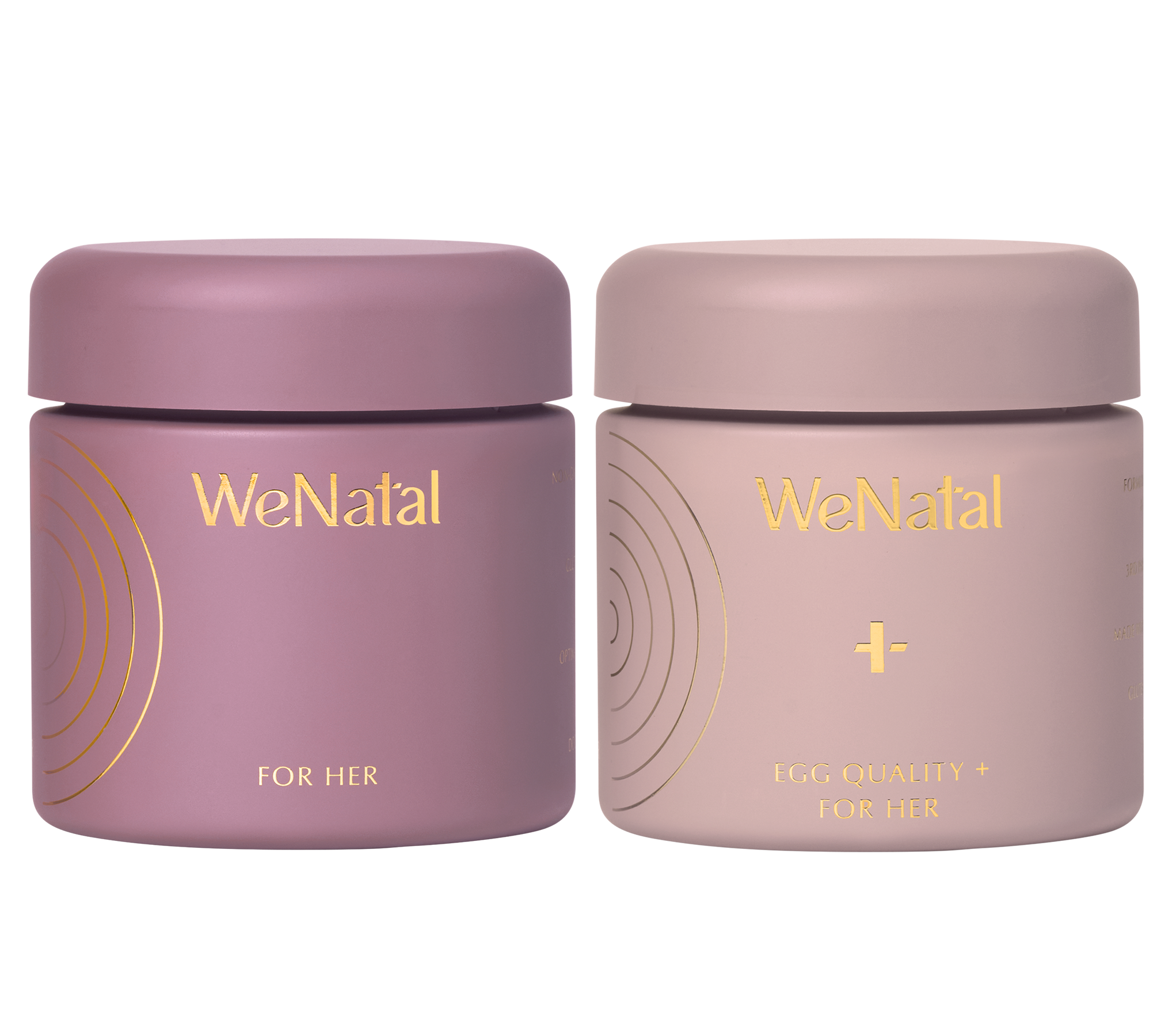
In my clinical experience, I often recommend a targeted antioxidant formula for women preparing for IVF or egg freezing. Egg Quality+ was formulated with CoQ10, NAC, acetyl-L-carnitine, alpha lipoic acid, and PQQ to support egg cell energy and healthy antioxidant balance during preconception. You can pair it with WeNatal for Her in the Fertility Power Duo for the roughly 90 days leading up to retrieval.
Good to know: WeNatal products may be eligible for HSA or FSA reimbursement through Truemed with a Letter of Medical Necessity. See how HSA/FSA works.
4. Reduce your exposure to hormone-disrupting chemicals
Some everyday chemicals can interfere with hormone signaling, which is why many women choose to lower their exposure in the months before a cycle. Endocrine disruptors like phthalates, bisphenol A (BPA), and certain pesticides have been studied in women going through IVF.
In the EARTH study, women with the highest urinary levels of certain phthalates had fewer eggs retrieved and lower rates of pregnancy and live birth after IVF. Eating more produce with high pesticide residues was associated with lower live birth rates, while eating produce with low residues was not. A smaller study suggested a possible link between higher BPA levels and implantation challenges, though that finding needs confirmation. The takeaway is to keep eating plenty of fruits and vegetables while being thoughtful about where you can reduce exposure.
Ways to reduce your exposure:
- Swap plastic food storage for glass or stainless steel, and avoid heating food in plastic
- Use an air purifier and water filter at home
- Choose low-tox personal care and cleaning products
- Wash produce well, and choose organic for the items you eat most often when possible
- Say no to printed receipts, which often contain BPA or similar compounds
In practice, I encourage women to create a low-tox "fertility bubble" during the months leading up to an IVF or egg freezing cycle. Progress counts far more than perfection here.
5. Prioritize sleep and stress support
Melatonin, your sleep hormone, is also found in the fluid surrounding developing eggs, where it acts as an antioxidant. Consistent, restful sleep supports healthy melatonin rhythms and overall hormone health, which makes it a gentle and meaningful part of egg freezing preparation.
To support sleep and stress:
- Go to bed and wake up at consistent times
- Dim screens or wear blue light glasses in the evening
- Practice daily stress support like breathwork, meditation, or journaling (the WeNatal Manifestation Journal was made for moments like this)
A 2024 systematic review found that chronic stress may be associated with the egg retrieval stage of IVF. At the same time, a large meta-analysis found that emotional distress before treatment was not associated with whether a cycle resulted in pregnancy. Feeling anxious about your cycle is normal, and it does not mean you have done anything wrong. Caring for your stress is about helping you feel more like yourself through a demanding process.
What should partners know before IVF?
If you are freezing your eggs for your future self, this section may matter later, or not at all, and that is completely okay. If you are preparing for IVF with a partner's sperm, it is worth knowing that sperm contributes half of an embryo's genetic material, and sperm take roughly three months to develop. That means the same preparation window applies to both of you.
Partner action steps:
- Start a comprehensive men's prenatal like WeNatal for Him about three months before your cycle
- Follow the same Mediterranean-style eating pattern together, which makes it easier for both of you
- Limit alcohol, avoid smoking and vaping, and keep laptops and phones off the lap
- Ask your clinic whether a semen analysis is part of your workup
- Learn more about CoQ10 for male fertility
Preparing side by side can make a stressful season feel more shared. Couples who want to start together can explore WeNatal Together.
When should you talk to your provider or fertility clinic?
Nutrition and lifestyle are supportive, and they are not a substitute for medical care. Please talk with your fertility clinic or healthcare provider:
- Before starting any new supplement, and again before stimulation begins, since some clinics have specific guidance about which supplements to continue or pause around retrieval
- If you take prescription medications or have a medical condition that could interact with supplements
- If you want a personalized estimate of how many eggs to freeze based on your age and testing
- If your cycles are irregular or you have concerns about your reproductive health
- If the emotional weight of treatment feels heavy, since many clinics offer access to fertility counselors
Bringing a written list of everything you take, including doses, can make these conversations easier and more productive.
Frequently asked questions on preparing for IVF
How do I prepare my body for egg freezing?
To prepare your body for egg freezing, focus on the 3 to 6 months before retrieval. Eat a Mediterranean-style diet rich in omega-3s and antioxidants, take a comprehensive prenatal, care for your oral health, reduce exposure to hormone-disrupting chemicals, and protect your sleep. Share every supplement you take with your fertility clinic.
How long before egg freezing should I start taking supplements?
A common recommendation is to start about three months before retrieval, because the final phase of egg development takes roughly 90 days. Starting earlier, around 3 to 6 months, gives you more time to build consistent habits. If your retrieval is sooner, it is still worth starting now.
What should I eat before egg retrieval?
Before egg retrieval, focus on colorful vegetables and fruits, leafy greens, olive oil, nuts and seeds, beans and whole grains, and low-mercury seafood like salmon and sardines. Research from IVF studies suggests these Mediterranean-style foods, along with adequate folate, vitamin B12, and vitamin D, may support favorable outcomes. During retrieval week, follow your clinic's specific instructions.
Can you improve egg quality before IVF?
You cannot change your age or the number of eggs you have, but research suggests the environment eggs mature in may be influenced by nutrition and lifestyle. Studies on the Mediterranean diet, omega-3s, and antioxidants like CoQ10 are encouraging, though results are mixed. These steps may support egg health as one part of a larger plan guided by your clinic.
Should I take CoQ10 before egg freezing?
CoQ10 is one of the most studied nutrients for egg cell energy. A meta-analysis of randomized trials in women going through IVF found it was associated with higher clinical pregnancy rates, though not a significant difference in live birth rates. Talk with your fertility clinic about whether CoQ10, alone or in a formula like Egg Quality+, fits your plan.
Does stress affect egg freezing or IVF results?
Research is mixed. Some studies link chronic stress to the egg retrieval stage, while a large meta-analysis found that emotional distress before treatment was not associated with pregnancy outcomes. Stress support is valuable for your wellbeing, and feeling anxious does not mean you have harmed your chances.
A note from WeNatal on preparing for egg freezing or IVF
Knowing how to prepare for egg freezing or IVF can turn a process that often feels out of your hands into one where you have a meaningful role. Nutrition is one of the most supportive tools you have, and taking time to care for your body 3 to 6 months in advance is a gift to your future self, whatever your path looks like.
Here is where to start:
- Get the roadmap: Download our free WeNatal Guide: Trying to Conceive for a step-by-step look at nourishing your body before conception.
- Build your foundation: WeNatal for Her provides active folate, antioxidants, and minerals to support hormone and egg health. For targeted mitochondrial support, the Fertility Power Duo pairs it with Egg Quality+.
- Bring your partner in: If you are preparing for IVF together, WeNatal for Him and WeNatal Together support both sides of the equation.
- Get personalized support: Every WeNatal subscription includes a free 15-minute nutrition consult with a registered dietitian, and you may be able to use HSA or FSA funds.
We see women make this choice with courage every day. No matter your path, you are fully supported, and you do not have to do it alone.
References
Agarwal A, Sengupta P, Durairajanayagam D. Role of L-carnitine in female infertility. Reprod Biol Endocrinol. 2018;16(1):5. doi:10.1186/s12958-018-0323-4.
Boivin J, Griffiths E, Venetis CA. Emotional distress in infertile women and failure of assisted reproductive technologies: meta-analysis of prospective psychosocial studies. BMJ. 2011;342:d223. doi:10.1136/bmj.d223.
Chiu YH, Karmon AE, Gaskins AJ, et al. Serum omega-3 fatty acids and treatment outcomes among women undergoing assisted reproduction. Hum Reprod. 2018;33(1):156-165. doi:10.1093/humrep/dex335.
Chiu YH, Williams PL, Gillman MW, et al. Association between pesticide residue intake from consumption of fruits and vegetables and pregnancy outcomes among women undergoing infertility treatment with assisted reproductive technology. JAMA Intern Med. 2018;178(1):17-26. doi:10.1001/jamainternmed.2017.5038.
Ehrlich S, Williams PL, Missmer SA, et al. Urinary bisphenol A concentrations and implantation failure among women undergoing in vitro fertilization. Environ Health Perspect. 2012;120(7):978-983. doi:10.1289/ehp.1104307.
Eke PI, Dye BA, Wei L, et al. Prevalence of periodontitis in adults in the United States: 2009 and 2010. J Dent Res. 2012;91(10):914-920. doi:10.1177/0022034512457373.
Florou P, Anagnostis P, Theocharis P, et al. Does coenzyme Q10 supplementation improve fertility outcomes in women undergoing assisted reproductive technology procedures? A systematic review and meta-analysis of randomized-controlled trials. J Assist Reprod Genet. 2020;37(10):2377-2387. doi:10.1007/s10815-020-01906-3.
Gaskins AJ, Nassan FL, Chiu YH, et al. Dietary patterns and outcomes of assisted reproduction. Am J Obstet Gynecol. 2019;220(6):567.e1-567.e18. doi:10.1016/j.ajog.2019.02.004.
Goldman RH, Racowsky C, Farland LV, et al. Predicting the likelihood of live birth for elective oocyte cryopreservation: a counseling tool for physicians and patients. Hum Reprod. 2017;32(4):853-859. doi:10.1093/humrep/dex008.
Gougeon A. Dynamics of follicular growth in the human: a model from preliminary results. Hum Reprod. 1986;1(2):81-87. doi:10.1093/oxfordjournals.humrep.a136365.
Hart R, Doherty DA, Pennell CE, et al. Periodontal disease: a potential modifiable risk factor limiting conception. Hum Reprod. 2012;27(5):1332-1342. doi:10.1093/humrep/des034.
Hauser R, Gaskins AJ, Souter I, et al. Urinary phthalate metabolite concentrations and reproductive outcomes among women undergoing in vitro fertilization: results from the EARTH study. Environ Health Perspect. 2016;124(6):831-839. doi:10.1289/ehp.1509760.
Karayiannis D, Kontogianni MD, Mendorou C, et al. Adherence to the Mediterranean diet and IVF success rate among non-obese women attempting fertility. Hum Reprod. 2018;33(3):494-502. doi:10.1093/humrep/dey003.
Kirshenbaum M, Stern C, Wale P, et al. Outcomes of oocyte cryopreservation: an analysis based on age and treatment indications. Hum Reprod. 2025;40(10):1990-1997. doi:10.1093/humrep/deaf147.
Klein JU, Conway NB, Abittan B, et al. Freezing first: insights from 8 years of planned oocyte cryopreservation at an "egg freezing clinic." Fertil Steril. 2026;125(4):671-679. doi:10.1016/j.fertnstert.2025.12.003.
Martín-Manchado L, Sánchez-Sansegundo M, Moya-Yeste AM, et al. Associations between adherence to a Mediterranean diet and assisted reproductive techniques outcomes: a systematic review. Eur J Public Health. 2025;35(5):960-969. doi:10.1093/eurpub/ckaf100.
Showell MG, Mackenzie-Proctor R, Jordan V, Hart RJ. Antioxidants for female subfertility. Cochrane Database Syst Rev. 2020;8(8):CD007807. doi:10.1002/14651858.CD007807.pub4.
Tamura H, Takasaki A, Miwa I, et al. Oxidative stress impairs oocyte quality and melatonin protects oocytes from free radical damage and improves fertilization rate. J Pineal Res. 2008;44(3):280-287. doi:10.1111/j.1600-079X.2007.00524.x.
Zanettoullis AT, Mastorakos G, Vakas P, Vlahos N, Valsamakis G. Effect of stress on each of the stages of the IVF procedure: a systematic review. Int J Mol Sci. 2024;25(2):726. doi:10.3390/ijms25020726.
These statements have not been evaluated by the Food and Drug Administration. This product is not intended to diagnose, treat, cure, or prevent any disease. Always talk with your healthcare provider or fertility clinic before starting a new supplement, especially while preparing for or undergoing fertility treatment.
